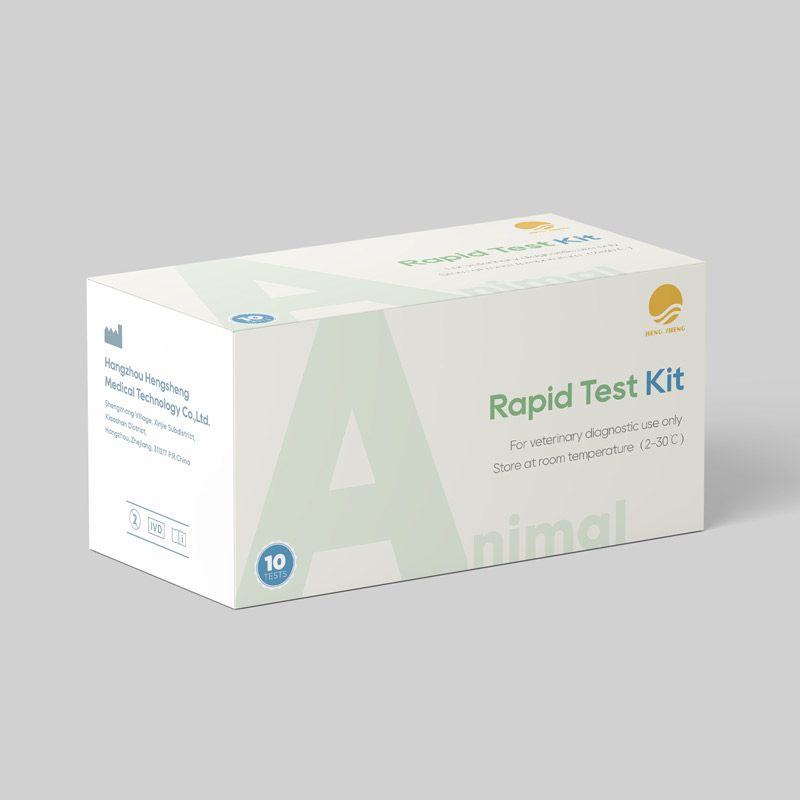
**China Home Rapid Flu Test Market Sees Significant Growth Amid Rising Health Awareness**In recent years, China’s home rapid flu test market has witnessed remarkable expansion, driven by increasing health awareness among consumers and the growing demand for convenient, reliable at-home diagnostic tools. Combining insights from industry developments and company introductions, the sector is poised for continued growth and innovation in 2024 and beyond.The rapid flu test, a diagnostic tool designed for quick detection of influenza viruses at home, has become an essential product in many Chinese households. Its ease of use, speed, and the ability to reduce the burden on healthcare facilities during flu seasons have made it increasingly popular. The current trend reflects a broader shift towards preventive healthcare, with consumers prioritizing early and accurate diagnosis to initiate timely treatment.**Market Dynamics and Consumer Demand**Several factors underpin the surge in demand for home rapid flu tests in China. First and foremost, heightened health consciousness post-pandemic has led consumers to seek self-care solutions that minimize hospital visits and reduce exposure to infectious diseases. Rapid flu tests offer a practical way for individuals to ascertain their health status quickly, impressively delivering results within minutes.Secondly, government initiatives and public health campaigns emphasizing flu prevention create a favorable environment for diagnostic product adoption. These efforts encourage early detection and management, critical to controlling outbreaks and reducing the overall disease burden. As a result, more consumers are adopting rapid testing devices as part of their home health toolkit.Moreover, technological advancements have contributed to improved accuracy, affordability, and user-friendliness of influenza rapid test kits. Innovations in immunoassay technology provide high sensitivity and specificity, ensuring reliable results even in home settings. Simplified design and clear instructions enhance accessibility, making these kits suitable for a wide range of users.**Company Perspectives and Strategic Developments**Leading players in the China home rapid flu test sector have responded proactively to evolving market needs, engaging in product development, strategic partnerships, and expanding distribution channels. Companies have focused on enhancing test performance, reducing costs, and increasing accessibility through e-commerce platforms and retail outlets.One notable approach involves integrating digital technology into test kits, such as companion mobile applications that guide users through the testing process and offer result interpretation, as well as health management advice. This combination of diagnostics and digital health services adds value to consumers, fostering greater adherence and trust.Furthermore, manufacturers are expanding their product portfolio to include multi-virus detection kits, enabling simultaneous screening for influenza A, influenza B, and other respiratory pathogens. This capability addresses overlapping symptoms common to various infections, aiding users and healthcare providers in making informed decisions quickly.Investment in research and development remains a priority, underscoring the commitment to innovation in the field. Collaborations with universities, research institutes, and healthcare organizations facilitate the integration of emerging scientific findings into commercially viable products.**Challenges and Future Outlook**Despite promising growth, the home rapid flu test market in China faces challenges that require ongoing attention. Ensuring quality control and regulatory compliance is paramount to maintaining consumer confidence and meeting health authority standards. Authorities have tightened supervision over medical device registration and marketing claims to prevent misinformation and substandard products.Consumer education also plays a vital role, as proper usage and timely interpretation of results are critical to the effectiveness of home testing. Companies and public health entities must work together to provide clear, accessible information to the public.Looking ahead, the market is expected to benefit from demographic trends such as an aging population and urbanization, which increase the need for convenient health monitoring solutions. As awareness expands and technologies continue to evolve, home rapid flu tests for influenza will become more integrated into routine health management.**Conclusion**China’s home rapid flu test industry stands at an inflection point, driven by rising consumer demand, technological innovation, and supportive health policies. By prioritizing quality, usability, and comprehensive health services, companies can strengthen their position in this competitive landscape. This momentum not only supports public health objectives but also empowers individuals to take proactive control of their health, marking a promising future for home-based influenza diagnostics in China.
Read More