
Comprehensive Guide to Veterinary Lab Tests in China
By:Admin
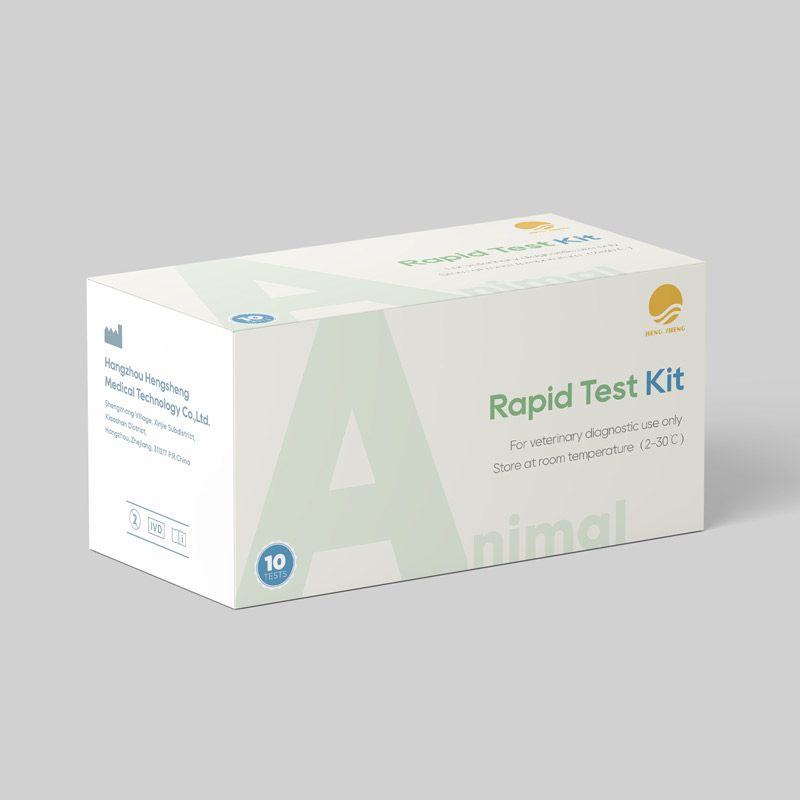
In recent years, the field of veterinary diagnostics has witnessed significant progress, particularly within China’s veterinary laboratory sector. These advancements are driving improvements in animal health management, disease detection, and prevention strategies, thereby bolstering the efficiency and reliability of veterinary services nationwide.
**Emerging Trends in Veterinary Laboratory Testing**
China’s veterinary diagnostic laboratories have increasingly adopted cutting-edge technologies to enhance the accuracy and speed of laboratory testing. The integration of molecular diagnostics, immunoassays, and next-generation sequencing techniques enables laboratories to identify pathogens with unparalleled precision. These innovations have proven crucial in early detection of infectious diseases, allowing for timely interventions that mitigate outbreaks and reduce economic losses in livestock industries.
Moreover, the expansion of veterinary laboratory testing capabilities supports a vast range of animal species, including companion animals, livestock, and wildlife. This broad scope reflects a comprehensive approach to animal health, aligning with global standards and responding to the diverse needs of China’s agricultural and pet sectors.
**Company Profile and Industry Contributions**
One of the key players driving this progress is a leading veterinary diagnostics company in China, whose commitment to innovation and quality has positioned it at the forefront of the industry. Founded with the mission to provide reliable and efficient diagnostic solutions, the company has developed a suite of products and services aimed at enhancing veterinary health management.
The company’s extensive product portfolio includes diagnostic kits for detecting viral, bacterial, and parasitic infections, alongside instruments designed for laboratory automation and data analysis. By focusing on research and development, the company continuously updates its offerings to incorporate the latest scientific findings and technological advancements.
In addition to product development, the company offers comprehensive technical support and training programs to veterinarians and laboratory personnel. These initiatives aim to improve diagnostic accuracy and operational efficiency, ultimately contributing to better animal health outcomes across various regions.
**Impact on Disease Control and Animal Health**
The advancements spearheaded by veterinary laboratories and companies within China play a crucial role in disease surveillance and control. Rapid and accurate diagnostics enable early identification of emerging pathogens, which is vital in preventing widespread epidemics among domestic and farm animals.
Furthermore, enhanced diagnostic capabilities assist in monitoring zoonotic diseases that pose risks to human health. By establishing robust laboratory networks and data-sharing platforms, China is strengthening its capacity to respond swiftly to animal disease outbreaks, thus safeguarding both public health and food security.
**Future Directions and Challenges**
Looking ahead, the veterinary diagnostic industry in China is poised for further growth and innovation. The integration of artificial intelligence (AI) and big data analytics holds promise for more sophisticated disease prediction models and personalized veterinary care plans.
However, challenges remain, including the need for standardized testing protocols and regulatory frameworks that keep pace with technological advances. Continued investment in infrastructure, workforce training, and international collaboration will be essential to overcoming these hurdles.
**Conclusion**
The ongoing enhancements in veterinary laboratory testing in China reflect a broader commitment to advancing animal health and disease management. Through technological innovation, professional expertise, and strategic partnerships, the veterinary diagnostics sector is making significant contributions to the well-being of animals and the sustainability of related industries. These developments not only improve clinical outcomes but also reinforce China’s position as a leader in veterinary science and public health.