
Advanced Blood Sugar Monitoring Device for Accurate Glucose Tracking
By:Admin
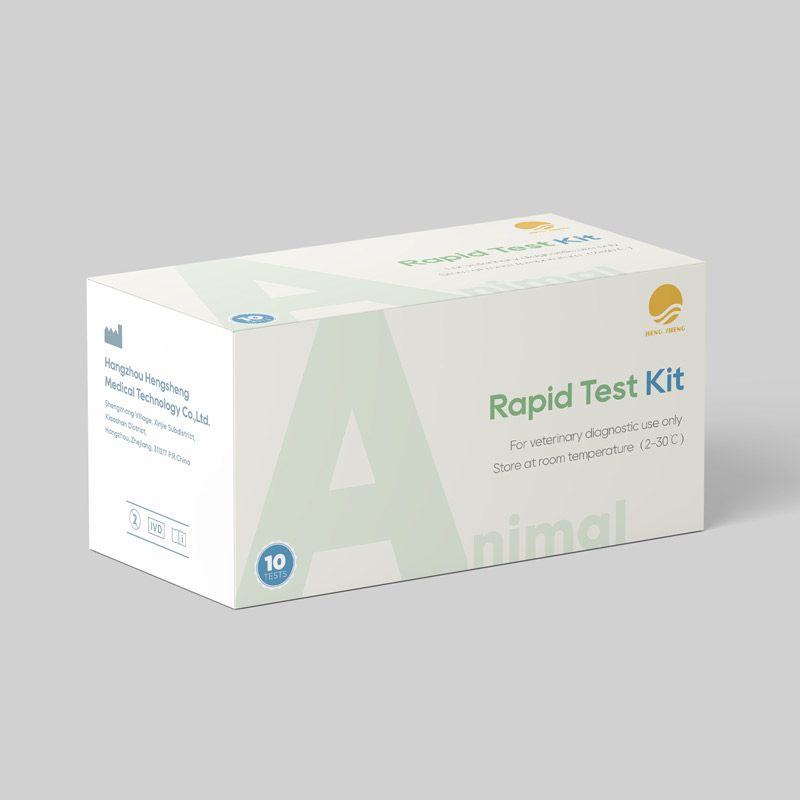
In a significant breakthrough for diabetes care, a new blood sugar monitoring device has been introduced, offering patients a more efficient and user-friendly way to track their glucose levels. This development promises to transform how individuals manage diabetes, combining cutting-edge technology with ease of use to enhance daily monitoring and overall health outcomes.
**Revolutionizing Diabetes Monitoring**
Diabetes, a chronic condition affecting millions worldwide, requires diligent monitoring of blood glucose levels to prevent complications such as heart disease, nerve damage, kidney failure, and vision loss. Traditional glucose meters, while effective, often involve invasive finger-prick tests and can be cumbersome, deterring some patients from consistent monitoring.
The newly launched blood sugar monitoring device addresses these challenges by integrating state-of-the-art sensor technology that significantly reduces discomfort and delivers rapid, accurate readings. This innovation aligns with the growing demand for medical devices that support patient autonomy and improve quality of life.
**Features and Benefits**
The device boasts several advantages over conventional glucose meters:
- **Non-Invasive Monitoring:** Utilizing advanced optical sensors, the device requires no finger pricks, thereby minimizing pain and inconvenience associated with blood sampling.
- **Real-Time Data:** Patients receive instant glucose readings on a clear, easy-to-read digital display, facilitating timely adjustments to diet, medication, or activity.
- **Connectivity:** Equipped with Bluetooth technology, the device syncs seamlessly with smartphones and wearable technology, allowing users and healthcare providers to monitor glucose trends remotely.
- **Compact and Portable:** Its sleek, lightweight design makes it ideal for use at home, work, or on the go, encouraging regular use.
- **Long Battery Life:** Efficient power management ensures extended use between charges, enhancing reliability for daily monitoring.
These features collectively foster proactive diabetes management, helping reduce hospital visits and complications.
**Background of the Company**
The blood sugar monitoring device is developed by a leading medical technology company renowned for its commitment to innovation and patient-centered solutions. Founded over two decades ago, the company has established itself as a front-runner in the healthcare industry by delivering high-quality diagnostic and monitoring equipment.
With a diverse portfolio encompassing devices for cardiovascular health, respiratory care, and chronic disease management, the company leverages its extensive research and development capabilities to meet evolving medical needs. Its team of experts combines expertise in biomedical engineering, software development, and clinical research, ensuring products are safe, effective, and user-friendly.
The company prioritizes collaboration with healthcare professionals and regulatory bodies to adhere to rigorous quality standards, reinforcing its reputation for reliability and excellence. By investing in advanced manufacturing technologies and sustainable practices, it also demonstrates a commitment to environmental responsibility.
**Implications for Patients and Healthcare Providers**
The introduction of this blood sugar monitoring device is poised to profoundly impact patients living with diabetes. Simplifying the monitoring process reduces barriers to consistent glucose tracking, empowering users to take control of their health with confidence. Immediate feedback enables prompt responses to fluctuations, potentially preventing severe hyperglycemic or hypoglycemic episodes.
Healthcare providers stand to benefit as well. The device’s connectivity features facilitate remote patient monitoring, enabling clinicians to access detailed glucose data trends without frequent office visits. This can lead to more personalized treatment plans, early interventions, and better overall disease management.
Additionally, the device supports telemedicine initiatives, expanding access to quality diabetes care, especially in underserved or rural areas. Its data-sharing capabilities also contribute to large-scale clinical research by aggregating anonymized glucose readings for population health studies.
**Market Trends and Future Outlook**
The global diabetes management market continues to grow, driven by rising diabetes prevalence and increased awareness of self-care benefits. Innovations like this blood sugar monitoring device align with broader trends emphasizing minimally invasive diagnostics, digital health integration, and patient empowerment.
Experts predict that such technology will catalyze a shift toward more holistic and continuous monitoring approaches, integrating physiological data with lifestyle and environmental factors. Future iterations may incorporate artificial intelligence to provide predictive analytics and personalized health recommendations.
The company behind this device has announced ongoing development plans to enhance sensor accuracy, extend device capabilities, and expand compatibility with other health platforms. It also plans partnerships with healthcare organizations to increase accessibility and affordability worldwide.
**Conclusion**
The new blood sugar monitoring device represents a major step forward in diabetes care, blending comfort, accuracy, and connectivity to meet the needs of modern patients and healthcare systems. By removing obstacles associated with traditional glucose measurement methods, it encourages consistent monitoring, better disease control, and improved quality of life for millions.
As the device enters the market, its success will depend on widespread adoption, continued innovation, and integration with broader healthcare frameworks. With its strong foundation in medical technology excellence, the developing company is well-positioned to lead this transformation, delivering impactful solutions that address one of today’s most pressing public health challenges.