
Comprehensive Guide to Veterinary Laboratory Tests for Accurate Diagnosis
By:Admin
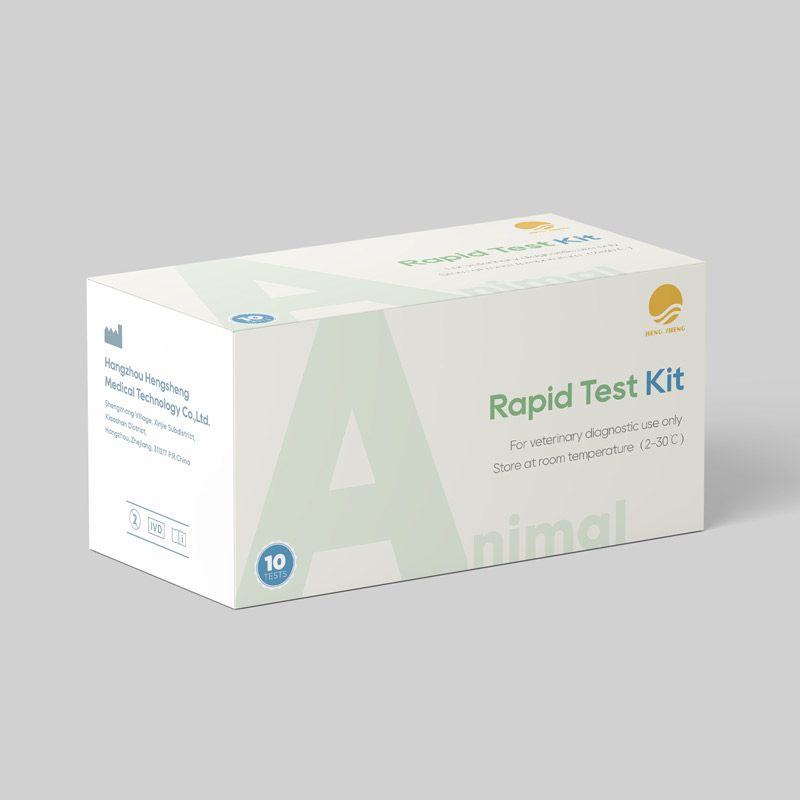
In recent years, veterinary laboratory testing has emerged as a cornerstone of modern animal healthcare, providing critical support for accurate diagnosis, treatment, and prevention of diseases in animals. These diagnostic services play an indispensable role in ensuring the health and well-being of domestic pets, livestock, and wildlife. With the ongoing innovations and expanding capabilities in veterinary diagnostics, veterinarians can now offer more precise and timely interventions, significantly improving outcomes for their animal patients.
Veterinary laboratory tests encompass a broad spectrum of diagnostic procedures, including hematology, biochemistry, microbiology, parasitology, serology, and molecular diagnostics. These tests enable the detection of infections, metabolic disorders, genetic conditions, and other health issues that may not be easily identifiable through clinical examination alone. By leveraging these advanced techniques, veterinary professionals are better equipped to develop targeted treatment plans tailored to the unique needs of each animal.
One of the most notable trends in veterinary laboratory testing is the integration of molecular diagnostics. Techniques such as polymerase chain reaction (PCR) testing allow for the rapid and sensitive detection of pathogens at the genetic level. This capability is particularly invaluable in identifying infectious agents that cause outbreaks in animal populations, enabling timely intervention to contain disease spread. Furthermore, molecular diagnostics facilitate the screening of hereditary conditions, helping breeders make informed decisions to promote healthy genetic lines.
In addition to molecular methods, veterinary laboratories have expanded their offerings to include comprehensive panels that assess multiple parameters simultaneously. These panels provide a holistic view of an animal’s health status by analyzing various biochemical markers, electrolytes, and organ function indicators. This comprehensive approach aids veterinarians in detecting subclinical conditions early, thus preventing progression to more severe disease states.
The growth of veterinary laboratory testing services is also driven by increasing awareness among pet owners regarding preventive healthcare. Regular diagnostic screening as part of routine wellness checks allows for early detection of potential health issues, promoting longevity and quality of life for companion animals. Moreover, livestock producers benefit from these services by monitoring herd health, enhancing productivity, and minimizing economic losses due to disease.
An important factor contributing to these advancements is the collaboration between veterinary diagnostic laboratories and healthcare providers. By working closely with veterinarians, laboratories ensure that testing processes are aligned with clinical needs and that results are interpreted accurately within the clinical context. This synergy fosters better communication and decision-making, ultimately benefiting animal patients.
Recent innovations in laboratory automation and information technology have further streamlined veterinary diagnostic workflows. Automated analyzers increase testing throughput and precision, reducing turnaround times and enabling faster clinical responses. Meanwhile, advanced data management systems facilitate seamless result reporting and integration with electronic medical records, enhancing record-keeping and case management.
Several leading veterinary diagnostic laboratories have established themselves as trusted partners in animal health. They offer an extensive range of services to meet diverse clinical requirements, from routine blood tests to specialized diagnostic assays. These laboratories are staffed by skilled professionals, including veterinary pathologists, microbiologists, and clinical laboratory scientists, who contribute their expertise to deliver high-quality results.
Moreover, stringent quality assurance programs underpin the reliability of veterinary laboratory testing. Accredited laboratories adhere to internationally recognized standards, ensuring accuracy, reproducibility, and safety in all testing procedures. This commitment to quality instills confidence in both veterinarians and pet owners when utilizing laboratory services.
Looking ahead, the future of veterinary laboratory testing promises even greater advancements driven by emerging technologies such as next-generation sequencing, proteomics, and metabolomics. These cutting-edge approaches will expand the diagnostic repertoire, offering deeper insights into animal diseases and personalized medicine strategies. Additionally, point-of-care testing devices are expected to become more prevalent, allowing veterinarians to perform certain diagnostic tests directly in the clinical setting, further accelerating decision-making.
In conclusion, veterinary laboratory testing is an essential component of contemporary veterinary medicine, providing invaluable support for disease diagnosis, treatment, and prevention. The continual evolution of testing methodologies and laboratory practices enhances the ability of veterinarians to deliver high-quality care to animals. Through collaboration, innovation, and a commitment to excellence, veterinary diagnostic laboratories contribute significantly to advancing animal health and welfare worldwide.